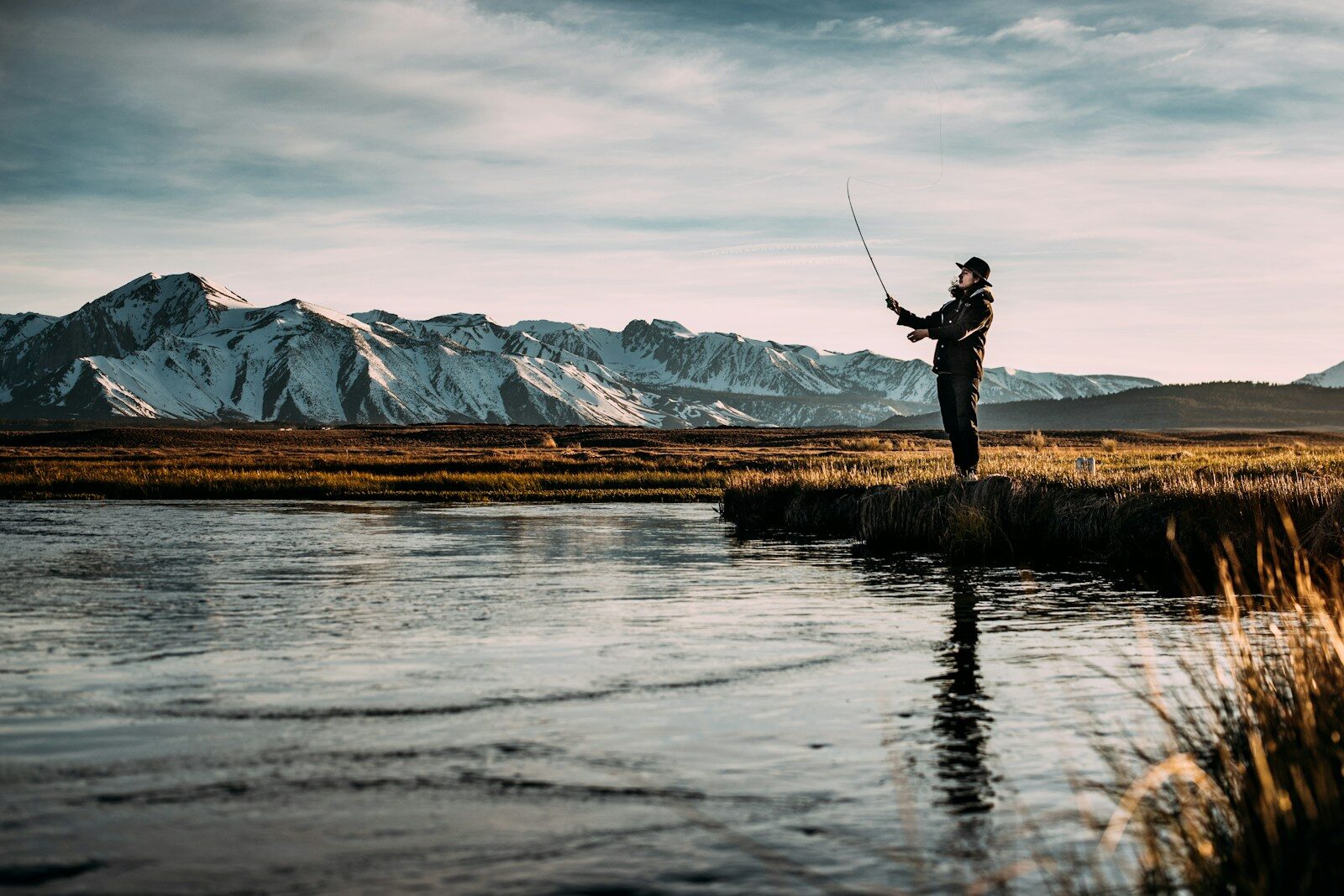
Starting your fishing journey feels exciting, but it can quickly become confusing when you walk into a fishing shop or browse online. Shelves are stacked with rods, reels, lines, and lures, each promising to get you more fish. Many beginners end up spending money on equipment that doesn’t suit their needs, or worse, is difficult to use. But here’s some good news – fishing doesn’t need to be complicated or expensive to be enjoyable.
To get started, it’s helpful to know the classic mistakes many new anglers make and how you can avoid them. By sticking to simple, well-matched equipment, you’ll save money, frustration, and get to enjoy the best part: actually catching fish. If you’re already ready to shop or compare options, see this helpful page on fishing gear for practical recommendations.
Let’s break down the 12 biggest mistakes you might face as a beginner, and how you can fix them before you head to the water.
1. Buying Equipment Without Deciding the Type of Fishing
Many beginners get caught up in the excitement, buying gear before thinking about where and what they’ll fish for. Each fishing environment – whether it’s a small pond or the open sea – requires different setups.
How to Avoid It:
First, ask yourself: Will I fish in freshwater or saltwater? Am I targeting small fish like bluegill, or larger species like bass? Will I be on a dock, a riverbank, or a boat? Once you answer these, choosing gear becomes much simpler.
2. Choosing a Specialized Rod Too Soon
It’s tempting to pick rods marketed for specific fish or styles, but specialty rods can make learning more difficult. They’re often designed for particular techniques and don’t offer much flexibility.
How to Avoid It:
Stick with a medium-action rod at the beginning. It’s versatile, forgiving, and works for most situations a beginner will face.
3. Picking the Wrong Type of Reel
New anglers sometimes get attracted by advanced-looking reels or the idea of being “serious” by starting with a baitcaster. Unfortunately, these reels are harder to use and easy to tangle.
How to Avoid It:
For most beginners, a spinning reel or spin-casting reel is perfect. These are simple to use, reliable, and make it easier to learn basic casting techniques. Combo rod-and-reel sets tailored for beginners save time and worry.
4. Not Considering Rod Length
Rod length affects everything from casting distance to comfort. Many beginners just grab whatever is cheapest or looks good, without thinking about what feels right.
How to Avoid It:
For new anglers, a rod in the 6 to 7 foot range works well in most freshwater situations. If possible, pick up the rod and see if it feels balanced and comfortable.
5. Confusing Power and Action
Power (the strength of the rod) and action (where the rod bends) are two separate things. Beginners often mix them up, ending up with gear that feels wrong for their style.
How to Avoid It:
Look for a rod labeled “medium-power” and “medium-action.” This common combination offers the best blend of flexibility and strength for various fish.
6. Forgetting to Match Gear to Local Conditions
People often focus only on fish species and forget about the fishing environment. Thick weeds, rocky bottoms, or heavy cover require tougher line and sometimes sturdier tackle.
How to Avoid It:
Think: Will you fish in clear, open water, or among rocks and weeds? For heavy cover, pick stronger line. In clear water, lighter line is less visible to fish.
7. Using the Wrong Fishing Line
Some beginners use line that’s too heavy (making casting awkward) or too light (leading to snapped lines and lost fish).
How to Avoid It:
Start with monofilament line matched to your rod and reel’s ratings. Monofilament is forgiving, affordable, and great for learning. Remember, line strength doesn’t exactly mean the weight of fish you can catch – it’s about how much tension the line handles before it breaks.
8. Filling the Tackle Box With Too Many Lures
A flashy, well-stocked tackle box looks impressive, but most new anglers only use a few key items. Too much choice often leads to confusion.
How to Avoid It:
Begin with basics: some hooks, weights, a few bobbers or floats, and a handful of simple lures. If live bait is allowed, earthworms make an excellent start.
9. Overlooking Local Rules and Regulations
Some locations prohibit certain baits, hook sizes, or require specific licenses. Missing these rules can land you in trouble or ruin your fishing trip.
How to Avoid It:
Before you cast, look up the regulations for your chosen lake, river, or coast. Make sure to bring any required fishing license and stay informed about size and bait restrictions.
10. Focusing Budget Only on the Rod or Reel
It’s easy to spend everything on a “top-of-the-line” rod or reel and forget the other essentials. Fishing, however, requires a few tools beyond the rod itself.
How to Avoid It:
Set aside part of your budget for key accessories: hooks, line, bobbers, weights, pliers, a line cutter, and a tackle box. A balanced kit is more useful than just an expensive rod.
11. Ignoring Comfort and Fit
A rod that’s too heavy or a reel that feels awkward can make fishing tiring, even after a few casts.
How to Avoid It:
Whenever possible, hold the rod and reel before you buy. Make sure the grip feels good, the balance suits you, and the total setup isn’t too heavy for repeated use.
12. Moving to Advanced Gear Too Quickly
After watching fishing videos, some beginners believe they need top-level gear. Unfortunately, advanced equipment only helps once you have built up your skills.
How to Avoid It:
Focus on user-friendly, simple gear as you learn. Start with a spinning combo, medium-action rod, monofilament line, and a handful of classic lures. Upgrade only once you feel confident.
Creating a Simple Beginner Fishing Setup
A great starter kit doesn’t have to be expensive or complicated. Most new anglers do well with:
- A 6–7 foot medium-action rod
- A spinning or spin-casting reel
- Monofilament line of suitable strength
- Hooks, weights, bobbers, and a couple of basic lures
- Pliers, line cutters, tackle box, and a fishing license
This setup covers nearly all scenarios a beginner will face and is easy to use for most freshwater species.
By avoiding these common mistakes and focusing on what’s important, you’ll enjoy more relaxing and successful days on the water, without overspending or getting frustrated. Start simple, match your gear to your needs, and you’ll quickly gain the confidence to branch out as your skills improve.