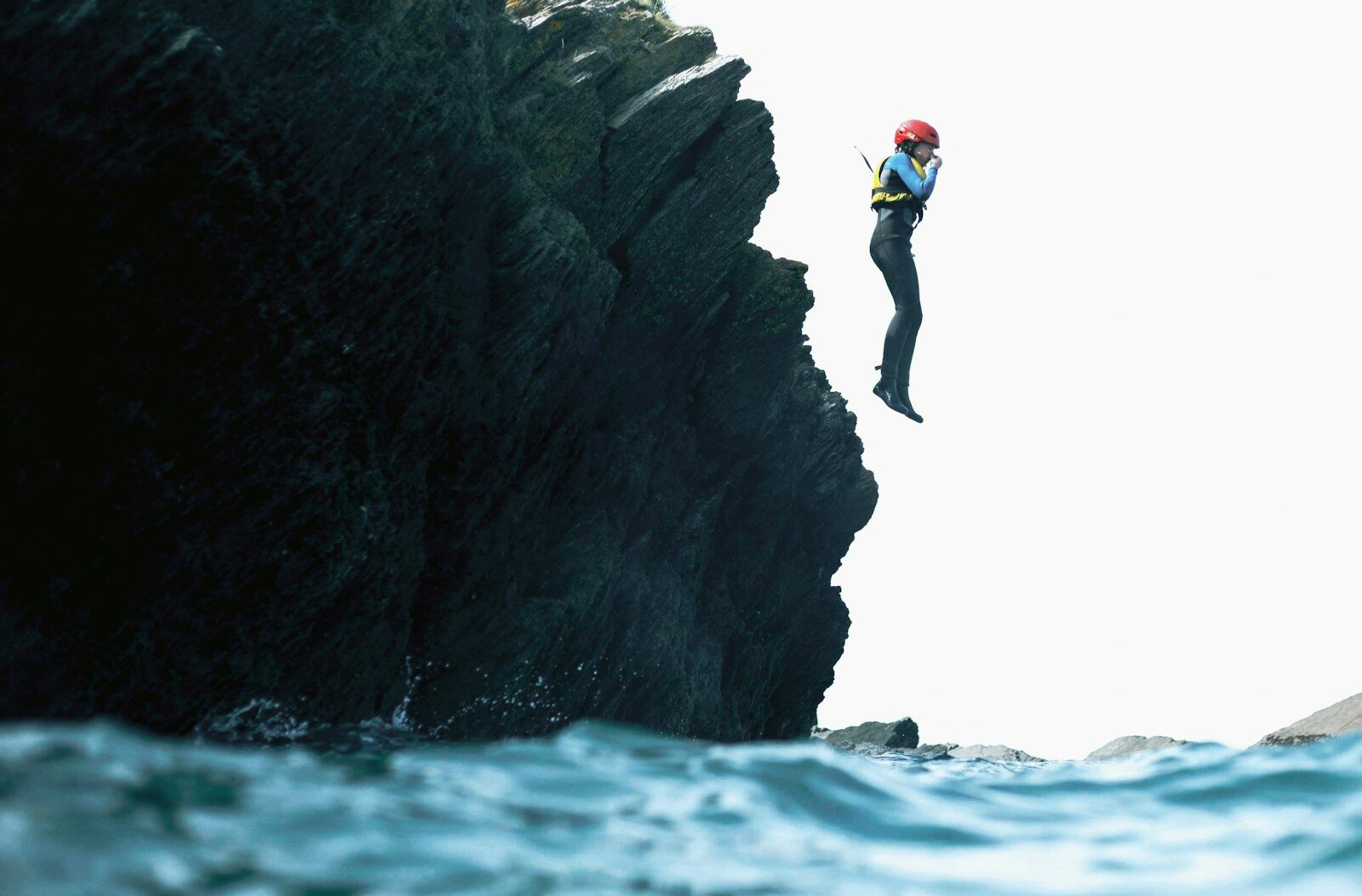
Close your eyes and picture yourself clambering over rugged rocks, leaping from cliff ledges into the sea, and squeezing through sea caves carved into Cornwall’s wild coastline. That’s what it’s like to try coasteering in Newquay – a mix of swimming, climbing, jumping, and scrambling along wave-battered cliffs. But have you ever wondered what actually makes this adventure sport so heart-thumping and addictive? There’s more going on than just excitement and nerves. It’s a blend of body chemistry, psychology, and the environment that turns every jump into an exhilarating high. Let’s explore how all these factors come together, and why coasteering in Newquay, especially around areas like the Gazzle, delivers such an electrifying experience.
What Is Coasteering, and Why Is Newquay So Special?
Coasteering is a unique outdoor activity that combines elements of climbing, swimming, leaping from cliffs, and exploring the places where sea and land collide. It started in the UK as an offshoot of mountaineering and has now grown into an adventure in its own right – less about ropes, more about braving the untamed edges of the coast. In many ways, it’s like canyoneering, but with the added power of ocean waves and tides.
Newquay is famous as Cornwall’s adventure capital for good reason. Its dramatic cliffs face the Atlantic, offering countless rocky inlets, tide-filled gullies, and hidden cave systems. One of the best-known areas is called the Gazzle, a Cornish nickname for “armpit” thanks to its protective shape. If you want to experience coasteering in Newquay with Cornish Wave, this is the place. Skilled guides lead you along wild sections of coast, pointing out seals, sea birds, and secret spots that you can’t reach by foot or boat alone. With over two decades of organized coasteering sessions, Newquay’s operators have learned how to run safe, action-packed visits by timing activities with the tides and making sure everyone has the right gear – wetsuits, helmets, buoyancy aids, and sturdy shoes are all provided.
Adrenaline, Endorphins, and the Biological Rush
What is it about coasteering that makes you feel so alive? It all starts inside your body. As you stand on a slippery ledge, muscles tense and heart pounding, your brain releases a surge of adrenaline. This natural hormone, triggered by the instinctive fight-or-flight response, gets you ready to move fast – heart rate rises, your senses sharpen, and blood rushes to your muscles.
But the thrill doesn’t stop with fear. As soon as you launch yourself off and land safely in the foaming sea, your body rewards you by producing endorphins and dopamine, powerful chemicals linked to happiness and pain relief. These reactions create the same “runner’s high” you hear about from athletes. The pleasure centers in your brain light up, boosting your mood and adding to the addictive buzz of the sport. It’s a real mind-body connection – people who try coasteering often say they sleep better, feel more resilient, and even cope with stress more easily thanks to these chemical changes.
Besides the emotional rush, coasteering is a full physical workout. Your arms and legs get stronger from all the climbing and swimming. Your heart and lungs work harder, improving fitness. Young people especially benefit, as time in the ocean helps develop coordination, confidence, and emotional balance.
Waves, Tides, and the Role of Physics
You can’t talk about coasteering in Newquay without mentioning the ocean’s incredible forces. The “impact zone” where water collides with rock is full of dynamic energy. Every wave carries a punch, and the mix of tides, currents, and rock formations creates an unpredictable playground. As tidal cycles shift, deep pools fill up – making twenty-foot jumps possible – and the shape of the underwater rock helps absorb the impact, keeping jumps as safe as possible, as long as you land feet-first.
Buoyancy is equally important. Thanks to physics, wetsuits and buoyancy aids help keep you afloat even in rough conditions. It’s the same principle that lets you float in the sea – Archimedes’ principle in action. Swimmers can ride natural rapids, blast through gullies, or get pushed along by rolling surf, all while staying safely above the waterline with a little help from their gear.
Newquay’s cliffs are made of hard slate and granite, sculpted over thousands of years into the ideal backdrop for coasteering – think secret caves, ledges perfect for leaping, and coves that shape tidal surges for maximum excitement.
What Goes On in Your Mind: The Psychology of Adventure
So why are people drawn to a sport that looks so dangerous? The secret is how our minds respond to challenge and fear. Humans have always sought novelty and adventure to grow and adapt, and these ancient instincts light up during coasteering. Each new jump or swim triggers a “fear-and-reward” cycle – your body gets scared, overcomes it, and then feels fantastic as a reward.
During coasteering, many people experience something called “flow.” It happens when you’re totally absorbed by the task in front of you – time seems to slow down, you forget your worries, and you act with focus. It’s a deeply satisfying and energizing feeling. Add to this the soothing effect of salt air, the sound of crashing waves, and close encounters with wildlife, and you have the recipe for real, lasting happiness.
For those who crave a bigger rush, coasteering feeds their appetite for sensation and excitement. Even if you start out nervous, trying small challenges quickly builds your courage. As you gain confidence, you take bigger leaps, both literally and figuratively.
Staying Safe While Seeking Thrills
With all this excitement, is coasteering really dangerous? Not if you go with qualified guides. Newquay’s professionals are experts at reading tides, understanding the weather, and guiding groups of all ability levels through safe, carefully planned routes. Helmets and wetsuits protect you from scrapes and the chilly ocean. There’s always an easy way to exit back to safe ground, and the use of local coastal paths means you’re never too far from help.
While horror stories often make the news, the injuries reported by responsible coasteering providers are usually minor – scratches or bruises – far less than those from skiing or contact sports. Eco-friendly practices by reputable companies mean harm to marine life is minimal; instead, you’re more likely to learn about local species and their habitats along the way.
Getting Started in Newquay
Newquay stands out as one of the best places to try coasteering thanks to its combination of accessible rocky outcrops, sheltered spots teeming with wildlife, and a long history of expert instruction. Reputable operators run sessions that last about three hours, are suitable for nearly all ages (from children over eight), and don’t require any previous experience in swimming or climbing. All the equipment you need will be provided.
If you’re eager to experience something unforgettable, all you need to do is book your spot, bring comfortable shoes and plenty of enthusiasm, and be prepared to get wet. Coasteering in Newquay is more than just a sport – it’s an adventure that will get your heart thumping, leave you buzzing with endorphins, and give you stories you’ll tell for years. The wild Cornish coast is waiting for your next leap.