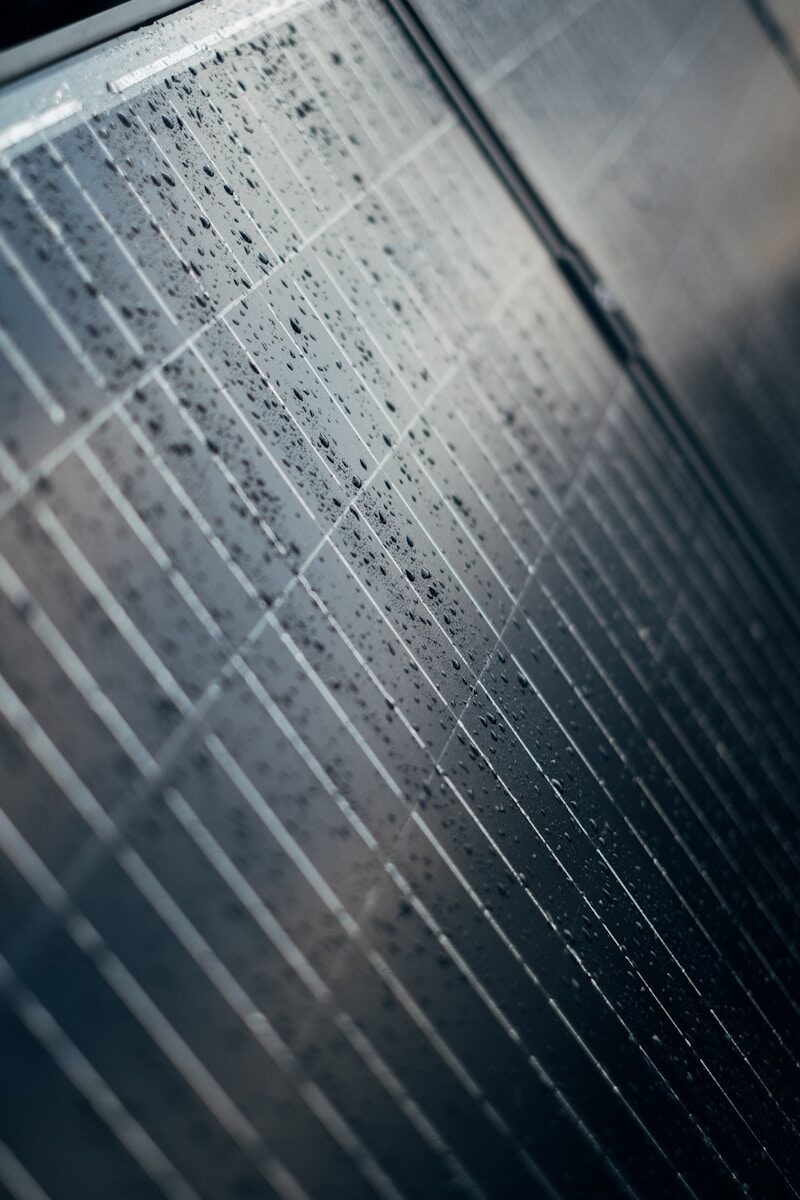
With rising energy costs and urgent climate concerns, pv solar installers have become crucial partners for UK households looking to save money and protect the planet. These professionals transform ordinary rooftops into mini power stations, allowing families to cut bills and prepare for expected energy price increases in 2026. This guide will walk you through what solar PV installers do, current trends, industry leaders, key challenges, tips on choosing the right installer, and where things are headed for UK solar energy.
Understanding PV Solar Installers
Solar PV installers are specialists who fit and connect photovoltaic systems, letting sunlight power your home through panels fixed on roofs or ground areas. The “PV” part means “photovoltaic,” referring to the process where sunlight turns directly into electricity. First used in the 1950s for space missions, these panels have become more popular for UK homes, thanks to better pricing and government support like the zero VAT rate for solar panels, which stays until 2027.
Across the UK, skilled and certified installers oversee the full process, from system design and installation to safety checks and connecting your solar system to the power grid. Companies often focus on fully personalised services, like matching solar with battery storage or EV charging, making it easier for homeowners to tailor energy solutions that meet both regulations and their own needs.
The Numbers Behind the Solar Boom
Solar energy has seen explosive growth across the UK. By the end of 2025, over 1.5 million homes were fitted with solar panels, generating a hefty 18.5 terawatt-hours of green electricity – covering about 7% of the country’s needs. Based on recent figures, more than 400,000 new installations are expected in 2026 alone. The industry is heading for a capacity jump of 50% year-on-year, putting national targets like 47 gigawatts by 2030 well within range.
For homeowners, switching to solar brings serious savings. Typical systems costing £5,000 to £12,000 often pay for themselves in as little as six to eight years, with average annual savings hovering around £765 once up and running. To help you choose wisely, review sites often list top-rated installers – firms like Glow Green, Project Solar UK, Sunsave, EvoEnergy, and Solar PV Ltd – all noted for solid customer reviews and relevant accreditations.
| Top UK PV Installers (2026) | Noted For | Rating | Areas of Work |
|---|---|---|---|
| Glow Green | Value | 4.8 | UK-wide plus financing |
| Project Solar UK | Most installations | N/A | Over 45,000, North/Midlands |
| Sunsave | Flexible subscriptions | 4.6 | Zero upfront fee options |
| EvoEnergy | Commercial expertise | N/A | Large buildings |
| Solar PV Ltd | Regional excellence | N/A | East Anglia, batteries & EVs |
What’s Trending in Solar PV Installations
More homeowners are choosing hybrid solar setups in 2026, pairing PV panels with battery storage. This means electricity generated on sunny days isn’t wasted but gets stored for nighttime – reducing reliance on the grid even further. Hybrid inverters and upgraded panel designs, such as all-black modules from premium brands, add style and can actually help solar systems work more efficiently. Supply chains have also improved, reducing wait times for getting a new system up and running.
And there’s a legal push behind all this: by 2027, almost all new homes in the UK will need solar as part of current building guidelines. While installers from places like Kraków offer similar design and installation packages, UK customers mainly focus on installer certifications that qualify them for rebates and energy-saving programs.
Hurdles For PV Installers
Despite the upsides, there are some bumps in the road for solar installers. The biggest technical factor is always the roof: south-facing rooftops work best, while shaded areas might drag down performance and need extra components. Some worry that the UK’s cloudy weather means little solar gain, but modern PV panels still deliver 800 to 1,100 kilowatt-hours per installed kWp each year even with clouds.
Upfront costs – around £5,500 to £7,000 for a medium-sized system – can scare off some buyers. However, ongoing VAT savings and expected annual bill cuts make the long-term benefits clear. Installers are also in high demand, with thousands of fresh experts needed as solar rolls out even faster – anyone thinking of going solar should be seeking certified professionals who won’t cut corners.
The Big Opportunities Ahead
Solar panels turn homes “carbon negative” within one or two years, cutting two to three tonnes of carbon emissions annually for each household that switches. Installers have massive opportunities, with over £13 billion lined up for solar retrofits ahead of new rules coming in 2027. Partnerships between developers and established solar companies mean the entire market could double by 2030.
Some of the sector’s trailblazers aren’t just putting up panels either – they’re integrating full energy ecosystems, like combining solar with smart home tools and electric vehicle charging. International market changes can also benefit UK homeowners as supply rises, pushing prices down.
How To Pick The Right Installer
Choosing a solar installer isn’t just about price – quality and aftercare are just as vital. Start by getting at least three quotes from certified local professionals (use comparison tools to help). Check that your roof is suitable, ideally facing south with a 20 degree pitch, and plug your details into an online calculator for production estimates. Always confirm your installer has MCS and NICEIC qualifications, and read independent reviews to look for 4.5-star ratings or higher.
Be clear about your goals: do you want battery storage? Are warranties at least 25 years? Can you monitor power generation remotely? Discuss payment options too; 0% loans and new subscription setups let many homeowners avoid big upfront fees. Usually, the process starts with a no-cost site survey, followed by design, a fast 1 to 2 day install, and then final checks and turn-on. Solar can increase a home’s value by £10,000 to £20,000.
For those elsewhere in Europe, the process is similar – always check for relevant local certifications to unlock rebates and support.
Solar installers are making it easier than ever for British families to lower bills and gain energy independence heading into 2026’s expected rate increases. Taking early action means quicker paybacks and more long-term savings – so explore accredited installers, compare recommendations, and lock in greener, lower-cost living for years to come.